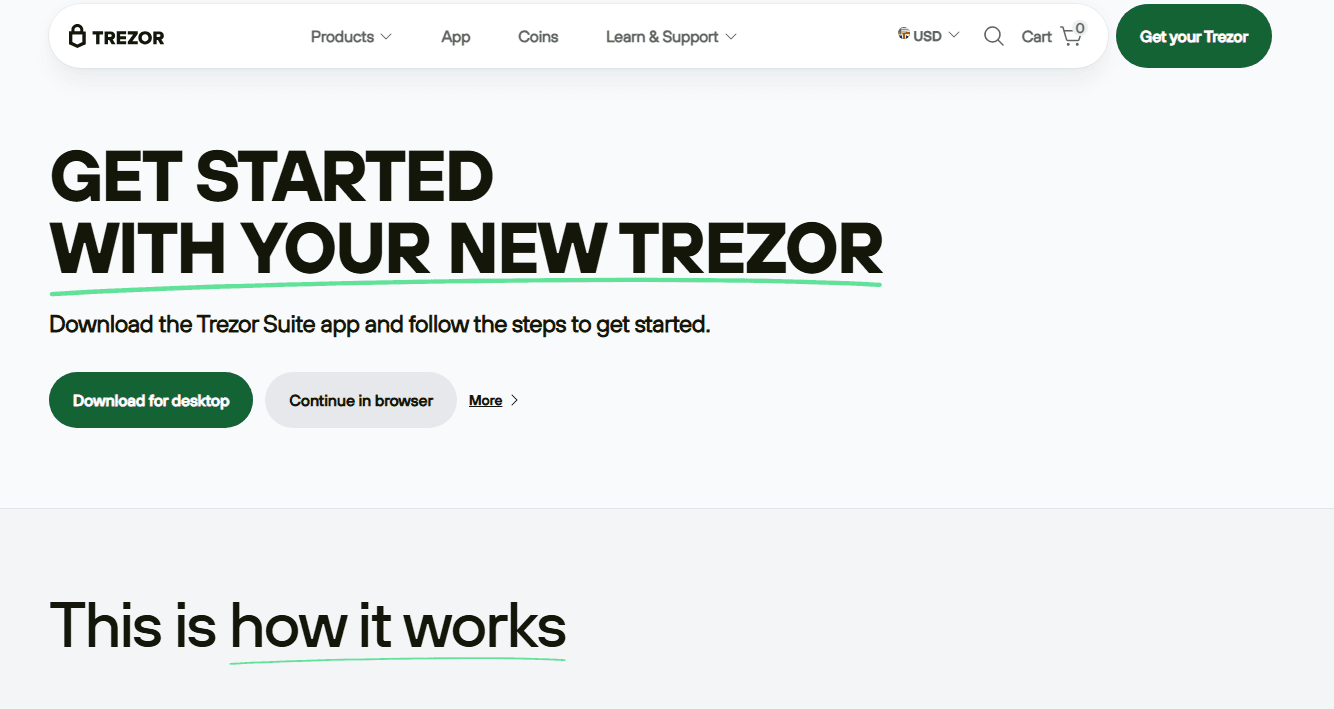
Trezor.io/start – The Complete Guide to Setting Up Your Trezor Wallet
Cryptocurrency security begins with the right hardware and setup. Trezor.io/start is the official starting point for configuring a Trezor hardware wallet. Following this process ensures that your private keys remain offline while giving you full control over your digital assets.
This guide will explain what Trezor.io/start is, how the setup process works, and why completing it carefully is vital for protecting your crypto for the long term.
What Is Trezor.io/start?
Trezor.io/start is the guided setup platform for Trezor wallets. It walks users through activating their device, establishing security features, and creating a wallet that can safely store multiple cryptocurrencies.
Unlike software wallets, Trezor wallets store private keys inside the device itself. This isolation from the internet protects your assets from online threats like hacking, malware, and phishing attacks.
Why Setup Is Crucial
The first setup determines how secure your wallet will be. Decisions made during Trezor.io/start—such as choosing a PIN and handling the recovery seed—have a lasting impact on asset safety.
A correct setup ensures:
Private keys remain offline
Only you can approve transactions
Recovery is possible if the device is lost or damaged
Full control without relying on third parties
Skipping or rushing setup steps can leave your wallet vulnerable to theft.
Preparing Before You Start
Before beginning Trezor.io/start, set up a private and quiet space. The process involves sensitive information that must remain confidential.
You will need:
Your Trezor hardware wallet
A trusted computer or mobile device
Pen and paper for backup records
Enough uninterrupted time
Being well-prepared minimizes mistakes and ensures a smooth setup process.
Step 1: Connecting the Device
Connect your Trezor wallet to a computer or compatible mobile device. Once powered on, the device screen provides step-by-step instructions to guide you through setup.
All confirmations must be made on the device itself, preventing any external software from accessing your wallet.
Step 2: Creating a New Wallet
During Trezor.io/start, choose between creating a new wallet or restoring an existing one. First-time users should select “Create New Wallet.”
At this point, the device generates a private key internally. This key never leaves the device, keeping your wallet secure from online threats.
Step 3: Setting a Secure PIN
You will create a PIN code to protect the device from unauthorized physical access. This PIN must be entered each time the wallet is connected.
Trezor devices slow down repeated incorrect PIN attempts, making brute-force attacks extremely difficult.
Step 4: Recording the Recovery Seed
The recovery seed is the most critical security feature. It allows you to restore your wallet if the device is lost, stolen, or damaged.
Write the recovery seed exactly as displayed on the device. Store it offline in a secure location. Never save it digitally or share it with anyone.
Step 5: Verifying Your Recovery Seed
After recording your recovery seed, the device will ask you to verify it by selecting the words in the correct order. This step ensures that the backup is accurate and usable.
Verification protects you from losing access due to errors in recording your recovery seed.
Step 6: Using Your Wallet
Once setup is complete, you can manage your cryptocurrencies. You can check balances, receive funds, and approve transactions securely.
All outgoing transactions must be confirmed directly on the Trezor device, protecting your funds even if your computer is compromised.
Ending a Session Safely
When you finish using the wallet, disconnect the Trezor device and close the wallet interface. This instantly ends access to your assets.
Because authentication depends on the physical device, unplugging it restores full security immediately.
Common Setup Mistakes to Avoid
Many issues arise from avoidable mistakes during Trezor.io/start.
Common errors include:
Skipping recovery seed verification
Using a weak or predictable PIN
Storing recovery information digitally
Completing setup in public or shared spaces
Avoiding these errors ensures maximum wallet protection.
Maintaining Long-Term Security
Completing Trezor.io/start is only the first step. Ongoing wallet security depends on responsible usage.
Best practices include:
Keep the recovery seed offline and private
Never share PIN or recovery details
Regularly update device firmware
Always verify transaction details on the device screen
Avoid using shared or untrusted computers
Following these habits will help protect your digital assets over time.
Why Trezor.io/start Is Trusted
Trezor.io/start follows a security-first, user-controlled model. Private keys remain offline, and all actions require physical confirmation, minimizing exposure to digital threats.
This approach has made Trezor a trusted solution for beginners and experienced cryptocurrency holders alike.
Final Thoughts
Trezor.io/start is the essential first step for securing your cryptocurrency with a Trezor hardware wallet. By carefully following each step—setting a PIN, recording and verifying the recovery seed—you gain full control and long-term protection of your digital assets.